
Implant-Ready Bone Grafting
Sinus Lifts in Wauwatosa, Wisconsin
Comfortable sinus lift treatment that prepares your smile for long-lasting dental implants at Wauwatosa Dental Arts.
A sinus lift gently adds bone to the upper back jaw so dental implants can be placed safely and securely. At Wauwatosa Dental Arts in Wauwatosa, Wisconsin, our team focuses on your comfort while rebuilding the strong foundation your smile needs. We use modern imaging and careful planning to personalize every procedure and support predictable results.
Sinus Lifts
Sinus Lifts at Wauwatosa Dental Arts
A sinus lift is a specialized bone grafting procedure that adds height and thickness to the upper jaw beneath the sinuses, creating enough support for dental implants. At Wauwatosa Dental Arts in Wauwatosa, Wisconsin, we carefully plan each sinus lift to protect your sinuses, restore lost bone, and help you enjoy the stability and confidence of implant-supported teeth.
What Is a Sinus Lift?
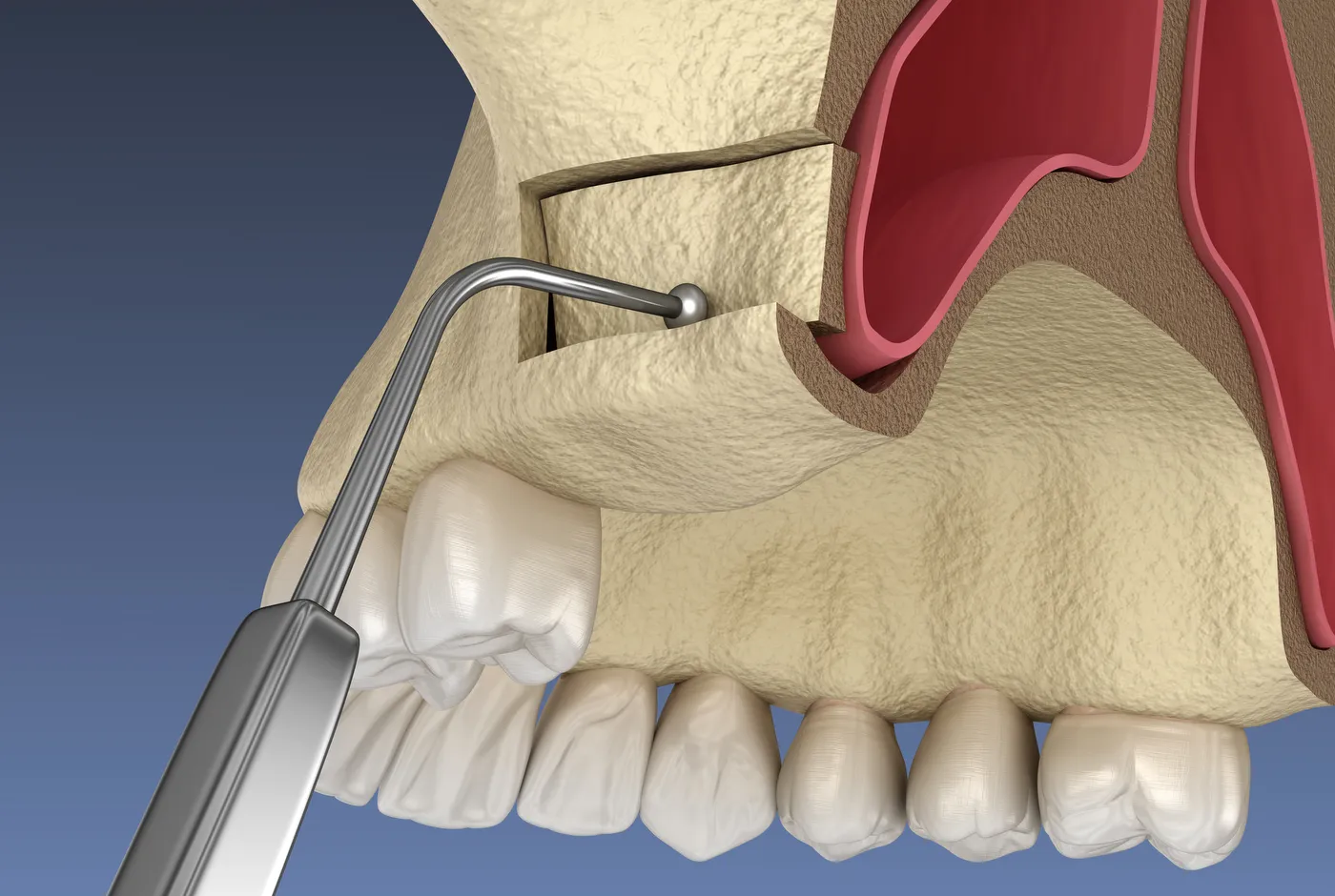
When teeth are missing in the upper back jaw, the bone in this area often shrinks over time and the sinus space can be very close to where an implant needs to go. A sinus lift gently raises the sinus floor and places bone graft material so there is enough healthy bone to anchor an implant. Once the graft heals and becomes part of your jaw, an implant can be placed securely in the area.
- Creates support for implants Bone is added so implants can be placed safely and firmly.
- Protects your sinus space Lifting and reinforcing the sinus floor helps keep the sinus membrane safe during implant placement.
- Improves long-term outcomes A solid bone foundation can reduce complications and help your implants last longer.
- Comfort-focused approach Gentle techniques and local anesthesia help you stay relaxed throughout treatment.
How the Sinus Lift Procedure Works
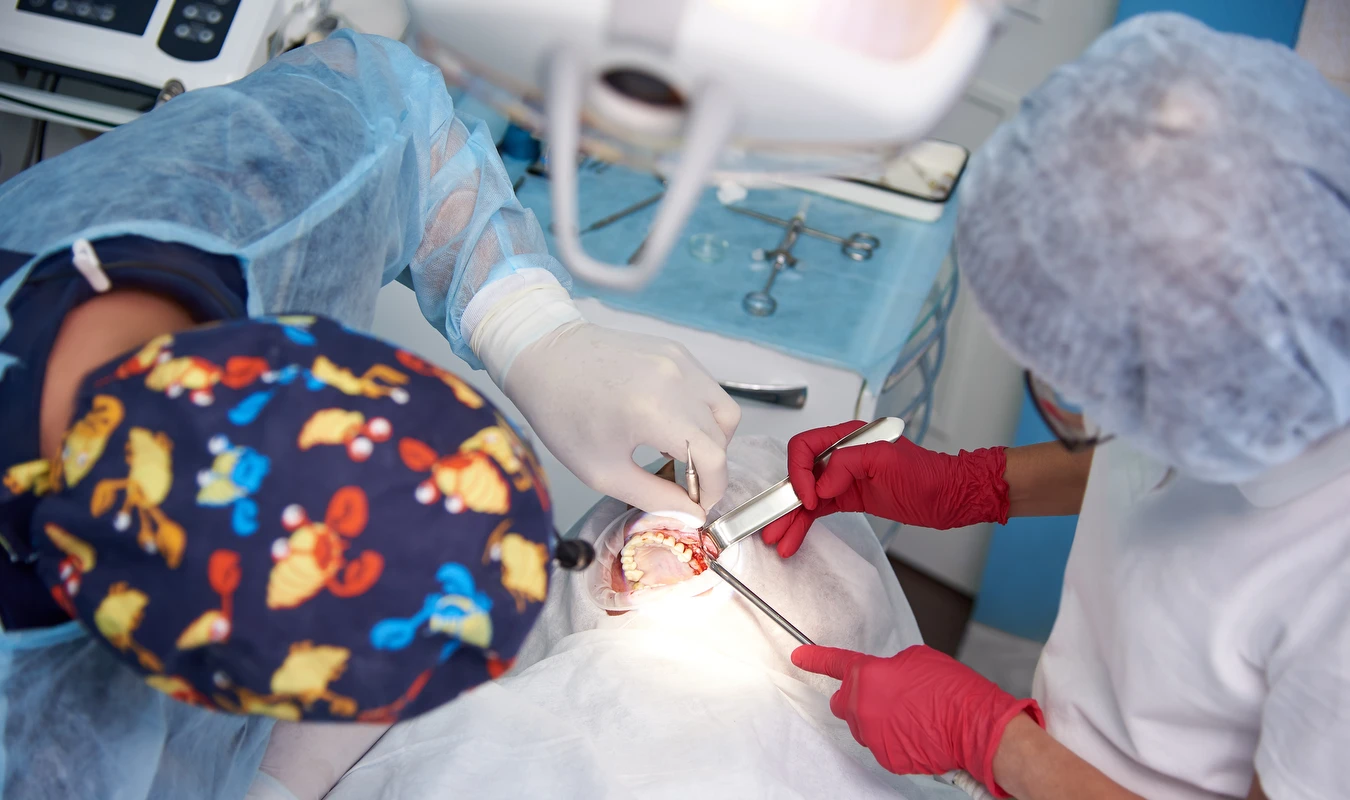
Your dentist first takes detailed 3D images to measure the available bone and map the sinus area. On the day of your procedure, the area is fully numbed and a small window is created in the side of the upper jaw. The sinus membrane is carefully lifted, bone graft material is placed underneath, and the area is closed so healing can begin. Most patients feel pressure rather than pain and go home the same day with simple after-care instructions.
- 3D cone beam imaging for precise sinus and bone measurements
- Biocompatible bone graft materials chosen for safety and predictable healing
- Gentle surgical techniques designed to protect the sinus membrane
- Careful suturing and follow-up visits to monitor healing progress
Healing, Results, and Next Steps
Most sinus lifts need several months for the new bone to fully heal and integrate with your natural jawbone. During this time, you may notice only mild soreness or sinus pressure that improves within a few days. Once healing is complete, your dentist can place dental implants in the strengthened bone to support crowns, bridges, or dentures. If you are wondering whether a sinus lift is right for you, our team at Wauwatosa Dental Arts will review your goals, medical history, and imaging to create a personalized treatment plan. To learn more or schedule a consultation, call our Wauwatosa, Wisconsin office at (414) 462-3160.

The short answer
A sinus lift is a bone grafting procedure that adds height and thickness to the upper back jaw beneath the sinuses, creating enough bone to support dental implants. After 3D cone beam imaging measures the bone, the area is numbed, a small window is made in the side of the upper jaw, the sinus membrane is gently lifted and bone graft material is placed underneath before the area is closed. It is used when teeth are missing in the upper back jaw and the bone has thinned or the sinuses sit too close to where an implant needs to go.
Sinus LIfts: Frequently Asked Questions
- Why would I need a sinus lift before getting dental implants?
- You may need a sinus lift if there is not enough bone height in the upper back jaw to support an implant safely, or if your sinuses sit very close to where the implant should go. This often happens after upper back teeth are lost, because the bone in that area tends to shrink over time. Adding bone protects the sinus and creates a strong anchor for your future implant.
- Is a sinus lift procedure painful?
- A sinus lift is performed under local anesthesia, so you should feel pressure but not sharp pain during treatment. Some soreness or swelling afterward is normal. It is usually manageable with over-the-counter pain relief and the home-care instructions you are given.
- How long does it take to heal after a sinus lift?
- Gum healing after a sinus lift often takes a couple of weeks, but the bone graft usually needs several months to fully integrate with your natural bone. Any soreness or sinus pressure tends to improve within a few days. Your dentist monitors healing with exams and imaging to decide the right time to place your implant.
- When can my dental implant be placed after a sinus lift?
- Most patients are ready for implant placement about four to nine months after a sinus lift. The exact timing depends on how much grafting was needed and how quickly your bone heals. Your progress is reviewed at follow-up visits, and the implant is scheduled once the area is stable.
- Are there risks or complications with sinus lifts?
- As with any surgical procedure, a sinus lift carries risks such as infection, sinus membrane tears or graft failure, but these are uncommon when the procedure is carefully planned and performed. Planning with 3D imaging maps the sinus and the available bone before surgery. Sterile technique and gentle handling of the sinus membrane help reduce the risks further.
- Will my sinuses feel different after the procedure?
- Your sinuses may feel full, pressured or mildly congested for a few days after surgery, but this is usually temporary. Most patients find it manageable while the area heals. Once healing is complete, your sinuses should feel normal and you should breathe and function as usual.
- How much does a sinus lift cost?
- The cost of a sinus lift depends on the complexity of your case, the amount of bone graft material needed and any additional procedures planned with your implants. A detailed estimate is provided after your consultation. Payment options and available financing can also be discussed.
- Does dental insurance cover sinus lift surgery?
- Some dental or medical insurance plans may offer partial coverage for a sinus lift when it is medically necessary to place implants, but coverage varies widely. The team can review your benefits and submit any necessary documentation. That way you understand your out-of-pocket cost before treatment begins.
- How do I know if I am a candidate for a sinus lift?
- You may be a candidate for a sinus lift if you are missing upper back teeth, have been told you do not have enough bone for implants or have large sinus spaces on X-rays. A consultation that includes an exam and 3D imaging is how candidacy is determined. The imaging measures the available bone and maps the sinus area so the dentist can tell whether a sinus lift is appropriate.
- How can I get started with sinus lift treatment?
- To get started, call the Wauwatosa, Wisconsin office at (414) 462-3160 to schedule a sinus lift consultation. The team will review your goals, medical history and imaging, explain your options and answer your questions. You then receive a step-by-step plan to rebuild the foundation for your dental implants.




Schedule Appointment
Call us at (414) 462-3160 or visit us at 11600 W North Ave, Wauwatosa, WI 53226.